
Prenatal Yoga Teacher Training in India: Complete Guide

By Dr. Nutan Pakhare
Pregnancy is a life-changing journey—physically, emotionally, mentally, and spiritually. As more women seek holistic support during this phase, the demand for trained prenatal yoga teachers and pregnancy wellness educators is steadily growing in India. For yoga teachers, childbirth educators, doulas, healthcare professionals, and women’s wellness practitioners, prenatal yoga offers a meaningful specialization that allows them to support mothers with knowledge, empathy, and confidence.
But if you are wondering how to become a prenatal yoga teacher in India, the path involves much more than simply learning a few pregnancy-safe asanas. A good prenatal yoga teacher must understand the changing needs of a woman’s body and mind during pregnancy, the emotional landscape of motherhood, and the precautions required to create a safe and supportive experience.
At the same time, with so many online and offline programs now offering “pregnancy wellness certifications,” it becomes equally important to know what to look for in a certification before investing your time, money, and energy.
This guide will help you understand both: how to begin your journey as a prenatal yoga teacher in India, and how to choose the right pregnancy wellness certification to build a credible, fulfilling career in this space.
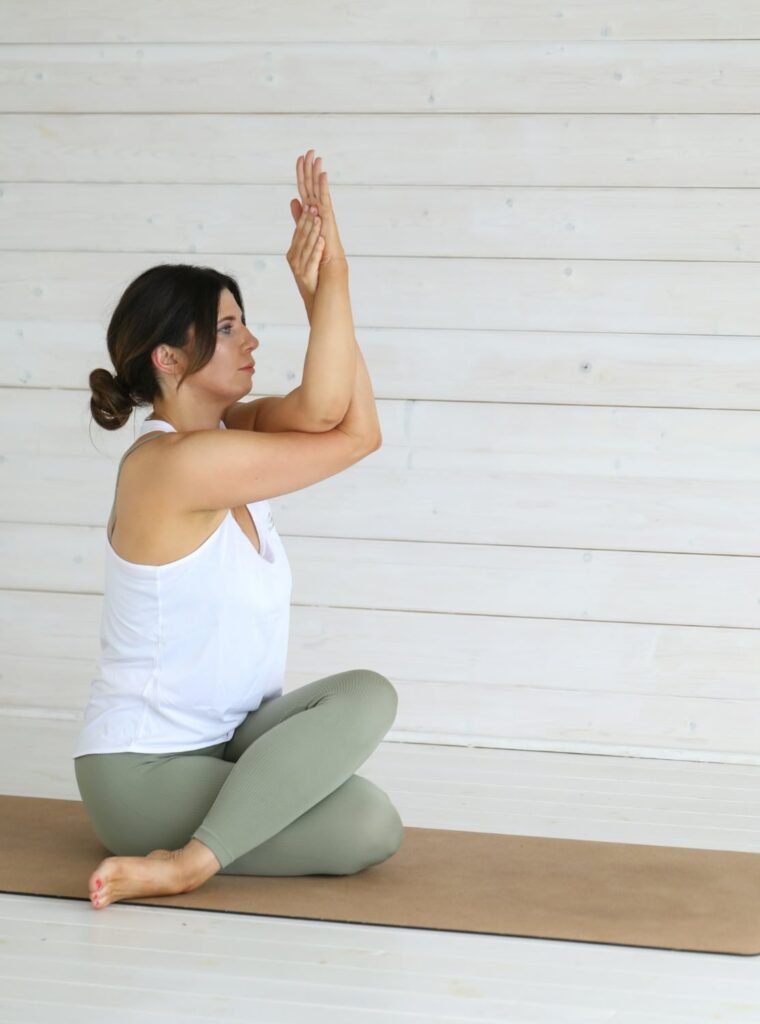
Why Prenatal Yoga Is a Meaningful Specialisation?
Prenatal yoga is not just a modified yoga class for pregnant women. It is a specialized discipline that supports a woman through one of the most sensitive phases of life. A well-designed prenatal yoga practice can help expecting mothers improve posture, breathing, circulation, emotional balance, sleep, body awareness, and connection with their baby.
For the teacher, this field offers an opportunity to work at the intersection of yoga, women’s health, emotional wellbeing, and conscious motherhood. It is especially valuable for professionals who want to create a deeper impact rather than simply teach general fitness classes.
In India, awareness around pregnancy wellness is also increasing. More women are looking for support that goes beyond routine medical care—support that includes movement, breathwork, relaxation, childbirth preparation, emotional grounding, and mindful bonding with the baby. This makes prenatal yoga and pregnancy wellness education a growing niche with long-term relevance.
How to Become a Prenatal Yoga Teacher in India?
1. Build a Foundation in Yoga First
If you are already a yoga teacher, you have a good starting point. If not, the first step is to build a strong foundation in yoga philosophy, alignment, breathwork, anatomy, and teaching methodology. Prenatal yoga is a specialization, so it helps if you already understand how to guide movement safely and mindfully.
However, being a general yoga teacher alone is not enough to teach pregnant women confidently. Pregnancy brings specific postural changes, hormonal shifts, emotional needs, and medical considerations. This is why additional prenatal training is essential.
2. Understand That Pregnancy Requires Specialised Knowledge
A pregnant body is not simply a “normal body with a baby bump.” During pregnancy, the body undergoes changes in balance, ligaments, circulation, pelvic floor dynamics, breathing patterns, and energy levels. Emotional states can also fluctuate significantly.
A prenatal yoga teacher must understand:
- the three trimesters and how needs change in each stage
- contraindications and red flags
- which movements, breathing practices, and relaxation techniques are appropriate
- how to modify postures safely
- when to refer a woman back to her doctor or healthcare provider
Without this knowledge, even a well-meaning yoga teacher may unknowingly guide practices that are not suitable for pregnancy.
3. Choose a Good Prenatal Yoga or Pregnancy Wellness Certification
This is the most important step. A quality certification gives you not just information, but a framework for teaching responsibly. It should prepare you to understand pregnancy holistically—physically, emotionally, and practically.
A good course will help you learn how to structure prenatal classes, adapt practices trimester-wise, support common discomforts, and communicate with sensitivity and confidence.
4. Practice Teaching and Observation
Prenatal yoga cannot be mastered only through theory. The more you observe pregnant women, understand their concerns, and practice class planning, the better teacher you become.
Look for training that includes:
- live or recorded practice sessions
- case discussions
- teaching demonstrations
- real-life examples of class sequencing and modifications
The aim is not only to “complete a course,” but to become capable of holding space for pregnant women safely and compassionately.
5. Continue Learning Beyond the Certificate
The best prenatal yoga teachers remain lifelong learners. You may later choose to deepen your understanding of:
- postnatal recovery
- Garbha Sanskar and mindful pregnancy practices
- childbirth education
- breathwork and relaxation
- women’s mental wellbeing
- pelvic floor awareness
- lactation and early motherhood support
This wider understanding can help you evolve from a prenatal yoga teacher into a more holistic pregnancy wellness educator.
What to Look for in a Pregnancy Wellness Certification?
Not all certifications are equal. Some are comprehensive and thoughtfully designed, while others are too generic, too brief, or too focused on marketing rather than real learning. Here are the most important things to look for.
1. A Curriculum That Goes Beyond Asanas
If a course focuses only on “safe yoga poses in pregnancy,” it is incomplete. A strong pregnancy wellness certification should include:
- pregnancy anatomy and physiology
- trimester-wise changes in the mother’s body
- contraindications and safety precautions
- prenatal breathwork and relaxation
- emotional wellbeing during pregnancy
- class planning and teaching methodology
- common discomforts such as back pain, fatigue, swelling, anxiety, and sleep issues
- labour awareness and preparation support within the teacher’s scope
Pregnancy wellness is multidimensional. Your training should reflect that.
2. Emphasis on Safety and Scope of Practice
A good certification must clearly teach you what a prenatal yoga teacher can do and what is beyond their role. This is especially important in pregnancy, where medical safety matters.
You should come away knowing:
- how to screen participants before class
- when a student needs medical clearance
- when to stop or modify a practice
- what symptoms require urgent referral
- how to avoid making medical claims beyond your expertise
A course that ignores safety, risk factors, or professional boundaries is not worth trusting.
3. Faculty With Relevant Experience
Check who is teaching the course. Are the trainers experienced in prenatal yoga, women’s wellness, childbirth preparation, Garbha Sanskar, psychology, or maternal health? A pregnancy wellness course becomes much richer when taught by educators who have real experience in this field rather than only general yoga credentials.
If possible, choose a program where the faculty bring both practical and holistic understanding of pregnancy.
4. A Holistic Yet Responsible Approach
In India, many women resonate with holistic frameworks such as Garbha Sanskar, mindful motherhood, yogic philosophy, mantra, and emotional bonding practices. These can add depth to a pregnancy wellness certification—provided they are taught responsibly and not as exaggerated promises.
Look for a course that balances:
- traditional wisdom and yogic principles
- modern understanding of pregnancy safety
- emotional and spiritual support
- practical class application
The ideal certification respects both science and sensitivity.
5. Teaching Application, Not Just Theory
A certificate should help you teach, not just read. Look for a course that includes:
- sample class structures
- trimester-wise sequencing ideas
- modification strategies
- practical assignments
- opportunities to ask questions and clarify doubts
- guidance on teaching different types of pregnant students
The more applicable the training, the more confident you will feel when you begin working with real mothers.
6. Alignment With Your Career Goal
Before enrolling, ask yourself what kind of work you want to do. Do you want to:
- teach prenatal yoga classes online or offline?
- add pregnancy wellness to your existing yoga practice?
- work with mothers in a holistic Garbha Sanskar framework?
- support postnatal recovery as well?
- build a niche in women’s wellness education?
The right certification should match your vision. Some courses are ideal for yoga teachers. Others may be better suited for wellness professionals, psychologists, doulas, childbirth educators, or women who want to work more deeply in maternal wellbeing.
Final Thoughts
Choosing a prenatal yoga teacher training course in India is not just about gaining another certificate—it is about stepping into a role of trust. Pregnant women seek not only movement guidance, but reassurance, understanding, and a safe space to connect with themselves and their babies. To support them well, you need both compassion and competence.
That is why choosing the right pregnancy wellness certification matters so much. Look for a program that is safe, comprehensive, practical, and rooted in a genuine understanding of pregnancy—not one that simply offers a trendy label.
If you are drawn to this path, take your time, study well, and choose a training that aligns with your values. The right education can help you build a deeply meaningful career—one where you support mothers at one of the most transformative times of their lives.
And in doing so, you don’t just become a prenatal yoga teacher. You become a guide, an educator, and a nurturing presence in the journey of motherhood.