
Your Pregnancy Yoga Knowledge Might Be Flawed! 5 Insights

By Dr. Nutan Pakhare
The moment a pregnancy test turns positive, the world starts shouting “No.” No coffee, no heavy lifting, no sleeping on your back, and—perhaps most confusingly for active women—no “strenuous” yoga.
For many mothers-to-be, the joy of pregnancy is quickly met with a barrage of fear-based restrictions. Suddenly, you are treated as if you are fragile, and your movement practice is reduced to sitting cross-legged and doing gentle neck rolls.
As a doctor of Ayurveda who has spent years building a global framework for Prenatal Yoga and Garbhasanskar, I see this daily. We have medicalised pregnancy to the point where we’ve forgotten what it actually is: the most demanding athletic event a human body will ever endure.
If we want better birth outcomes, shorter labour, and healthier postpartum recovery, we need to rethink how we move completely. Here are five hard truths about pregnancy yoga that challenge the traditional narrative:
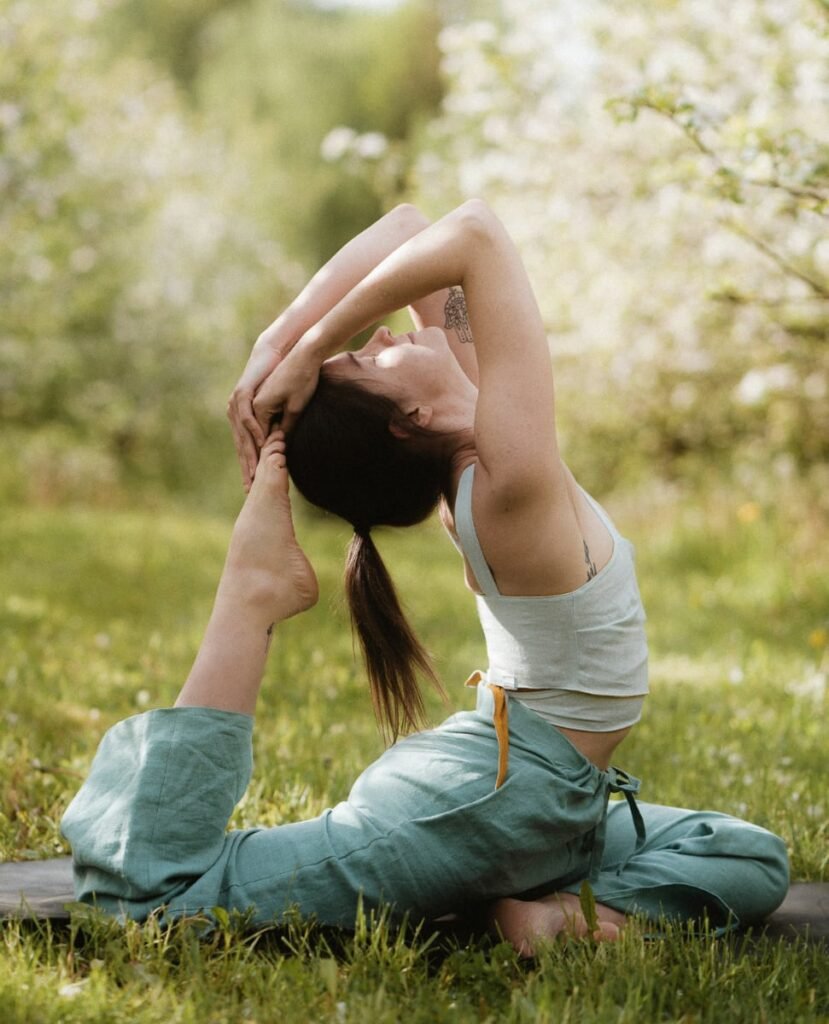
1. Pregnancy is Not an Illness; It is an Athletic Event
The prevailing advice in many prenatal classes is to “just take it easy.” While rest is vital—especially during the fatigue of the first trimester—your body is preparing for a marathon. Labour requires immense physical stamina, mental resilience, and neuromuscular control. Authentic prenatal yoga isn’t just about gentle stretching; it is about strategically building strength, conditioning the body to support a shifting centre of gravity, and preparing the musculoskeletal system for the incredible demands of childbirth. Stop training to be fragile; start training to be resilient.
2. The “Hip Opener” Obsession Can Be Harmful
If you search for “pregnancy yoga” online, you will find endless videos promoting deep hip openers. The logic seems sound: you need open hips to give birth, right? Wrong. During pregnancy, your body releases a hormone called relaxin, which softens the ligaments in your pelvis to prepare for delivery. Aggressive, deep, static stretches risk overstretching these already vulnerable ligaments, leading to pelvic girdle pain and instability. A smart prenatal yoga practice focuses on stability rather than just flexibility, strengthening the glutes, stabilising the pelvis, and learning how to engage the deep core.
3. Your Baby is the Most Active Participant on the Mat
We often think of prenatal yoga as something the mother does for her body. However, ancient Indian wisdom—validated today by modern epigenetics and fetal programming—teaches us otherwise. Through the science of Garbhasanskar (education in the womb), we know that pregnancy is humanity’s first classroom. When you practice mindful movement and deep breathing, you regulate your nervous system, lower cortisol, and bathe your baby in endorphins. Your movement, breath, and emotional state directly shape your baby’s developing neurobiology. Yoga is the earliest form of conscious parenting.
4. How You Breathe Matters More Than How You Bend
If you take away every single physical posture (asana) from prenatal yoga, you are still left with the most powerful tool for labour: the breath. Many women enter the delivery room knowing how to push, but very few know how to breathe through intense sensation without panicking. Specific Ayurvedic Pranayama (breathwork) techniques train the nervous system to shift from the sympathetic (fight-or-flight) to the parasympathetic (rest-and-digest) state. Mastering your breath on the mat is the secret to managing pain and maintaining focus during contractions.
5. Postpartum Recovery Begins in the First Trimester
There is a massive blind spot in global maternal healthcare: we focus entirely on the birth and leave mothers unprepared for the postpartum period (the fourth trimester).