
Rethinking Postpartum Care: Why Caring for the Mother Matters

By Dr. Nutan Pakhare
The birth of a baby is magical.
There’s joy, excitement, phone calls, messages, visitors—and naturally, all eyes turn to the newborn. How is the baby feeding? Sleeping? Growing?
But somewhere in this beautiful chaos, one person quietly fades into the background—the mother.
And that’s where we need to pause and rethink things.
Because childbirth isn’t the end of her journey.
It’s actually the beginning of a very important phase—her recovery.
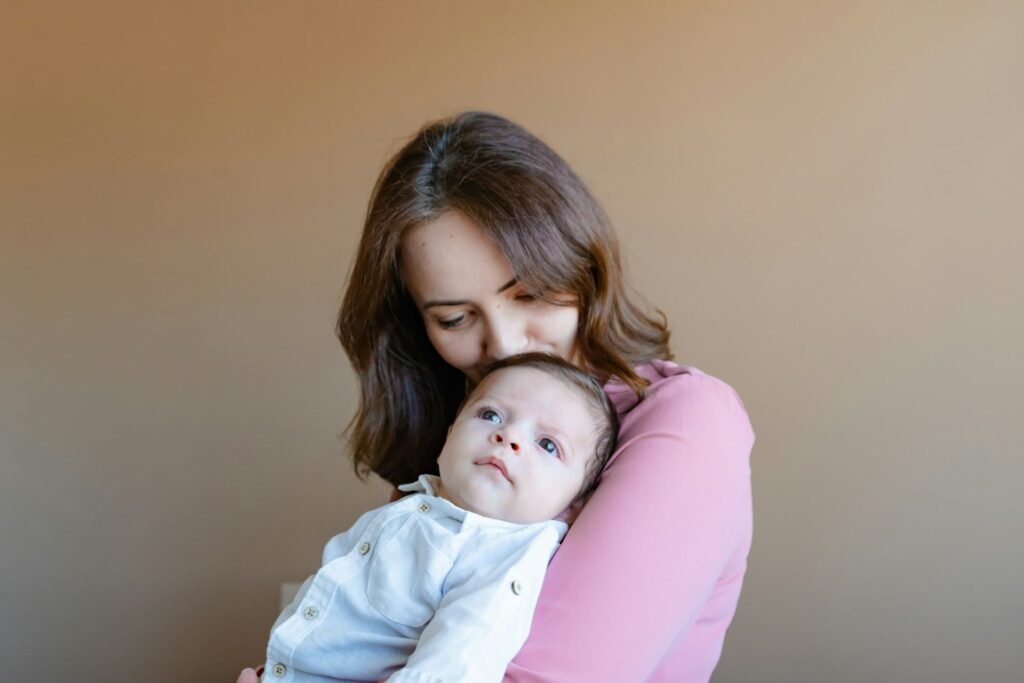
What Happens After the Celebration Ends?
For nine months, a woman’s body does something extraordinary.
It stretches, adapts, shifts, and holds space for new life. And then comes childbirth—an intense, demanding, life-changing experience.
But once the baby arrives, structured care for the mother often becomes… minimal.
Maybe a check-up after a few weeks. Maybe some general advice.
But is that really enough?
The truth is—her body is still healing. Her hormones are still adjusting. Her mind is processing everything.
Postpartum is not a “bounce back” phase.
It’s a rebuild and restore phase.
The “Common” Struggles No One Talks About Enough
Many new mothers go through things like:
- Feeling weak in their core
- Lower back pain that just doesn’t go away
- Urinary leakage
- A gap in abdominal muscles (diastasis recti)
- Constant fatigue
- Emotional ups and downs
And often, they’re told: “It’s common after childbirth.”
Yes, it’s common. But that doesn’t mean it should be ignored. With the right care and guidance, many of these issues can be improved—or even prevented.
Let’s Talk About the Pelvic Floor (Because It Matters!)
This is one area most women aren’t told enough about.
The pelvic floor is like a support system for your bladder, uterus, and bowel. It also plays a big role in posture and core strength.
During pregnancy and childbirth, it goes through a lot.
And if it’s not cared for and strengthened gently afterward, it can lead to long-term discomfort.
The good news?
With awareness and the right exercises, it can be restored.
Our Traditions Already Knew This
Interestingly, this isn’t a new concept.
In Ayurveda, there’s a beautiful idea called Sutika Kal—a sacred postpartum phase focused entirely on the mother’s healing.
And what did it emphasize?
- Rest (real rest, not “rest while managing everything”)
- Warm, nourishing foods
- Gentle care and oil therapies
- Herbal support
- A slow, mindful return to daily life
Simple, right?
But powerful. Because the philosophy was clear:
A mother needs to be rebuilt before she resumes everything else.
Where Does Yoga Fit In?
Postpartum yoga can be incredibly supportive—but only when done the right way.
This is not the time for intense workouts or “getting your body back.” It’s about reconnecting with your body. Under proper guidance, yoga can gently help with:
Breathing & Relaxation
Helping you calm your nervous system and reconnect with your core.
Pelvic Floor Awareness
Building strength without strain.
Gentle Movement
Releasing stiffness and improving circulation.
Core Recovery
Step-by-step rebuilding, not rushing.
Emotional Balance
Because healing is not just physical.
The key is to go slow, listen to your body, and respect its pace.
A Simple Shift in Perspective
What if we stopped asking,
“When will she get back to normal?”
And started asking,
“How can we support her healing?”
Because when a mother is cared for:
- She recovers better
- She feels stronger
- She shows up more confidently
- And her baby benefits too
Caring for the Mother Is Caring for the Future
Motherhood doesn’t begin only with the baby.
It also begins with the mother’s healing.
When we give this phase the attention it deserves—through rest, nourishment, gentle movement, and emotional support—we’re not just helping one woman.
We’re shaping healthier families.
Maybe it’s time we bring back this forgotten wisdom.
Because when we truly care for the mother,
we create the foundation for everything that follows.